

The General Department of Customs under the Ministry of Finance has sent a directive to regional customs branches requiring tighter control and enhanced anti-smuggling measures to prevent fuel smuggling across the country’s borders amid volatility in global energy markets.
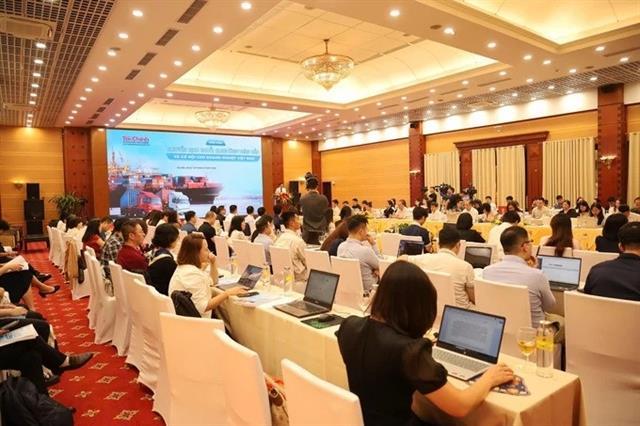
Delegates are discussing ways to promote sustainable livestock development as demand rises for safe and nutritious animal-based foods, while the sector faces mounting challenges from climate change, disease outbreaks, environmental degradation and stricter consumer expectations.
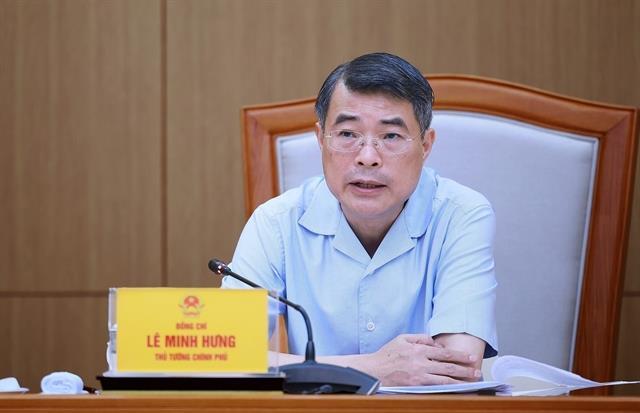
PM Chính said the top priority is to ensure no energy or fuel shortages, minimise macroeconomic impacts, and avoid disruptions to supply chains, production, business and consumption.
Conflict in the Middle East is disrupting aviation and shipping routes, prompting the Ministry of Construction to propose tax and fee cuts to help stabilise transport costs and logistics activities.
As of March 9, the retail price of RON95 gasoline in Việt Nam stood at VNĐ27,047 (US$1.04) per litre, compared with about VNĐ31,000 per litre in Cambodia and VNĐ39,000 per litre in Laos.
The Hà Nội Market Surveillance Sub-department said petrol and LPG trading activities across the city remain stable, with supply largely meeting demand despite volatility in global energy prices.
City officials say the recent rush to petrol stations was driven largely by public anxiety rather than any real supply shortage, as regulators move to stabilise the market.
The industry and trade ministry proposes using the Fuel Price Stabilisation Fund to curb sharp petrol and diesel price rises that could threaten inflation control and economic stability.
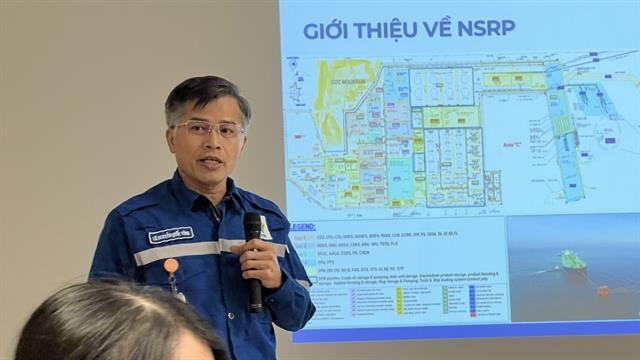
Fuel firms are diversifying import sources, boosting domestic production and preparing contingency reserves to ensure stable supply amid global energy market volatility.
Việt Nam is considering cutting petrol import tariffs to zero as Middle East tensions drive global oil prices above US$100 per barrel and raise concerns over domestic fuel supply.
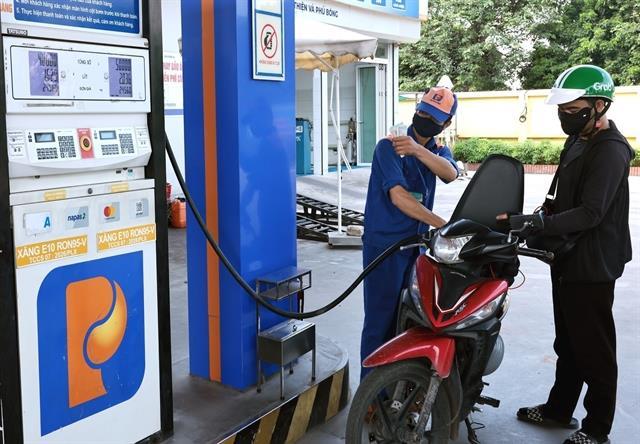
Fuel demand surged at state-run petrol stations after price hikes as global oil volatility linked to Middle East tensions adds pressure on Việt Nam’s fuel supply system.
Current solutions are being implemented along three main pillars – closely monitoring market developments and flexibly managing supply in a timely manner ensuring the smooth operation of the distribution system from wholesalers to retail outlets and proactively preparing long-term contingency...
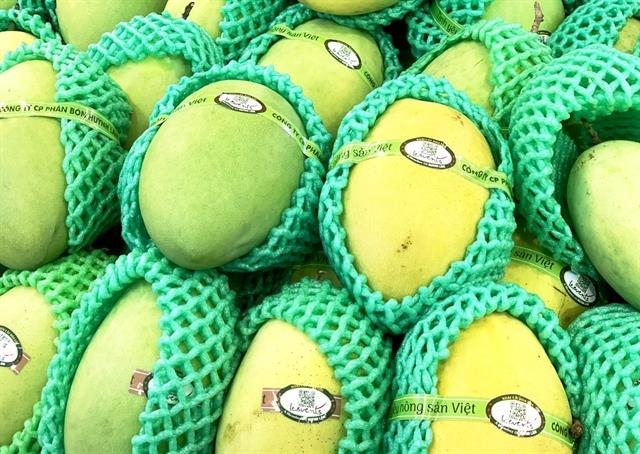
At supermarkets, convenience stores and traditional markets, scanning QR codes to check product origin and supply-chain information is becoming more common.